Born Too Soon: Caring for Premature Babies in the NICU and Beyond
Published Nov 12, 2026
 A conversation with Alan R. Barnette, M.D., FAAP, Neonatal-Perinatal Pediatrician
World Prematurity Day, observed Sunday, Nov. 15, is a moment to raise awareness of the challenges of preterm birth, improve care for babies born too soon and support their families. To mark the occasion, we spoke with Dr. Alan Barnette, a neonatologist at Saint Francis Medical Center in Cape Girardeau, Mo., about what families and providers should know.
“Every day I feel grateful for the infants, families, providers and community of southeast Missouri,” says Barnette. “They constantly teach us and improve our capacity to support families through the challenges of caring for infants with needs for intensive medical care.”
What Does “Premature” Mean?
A baby is considered premature, or preterm, when born before 37 weeks of pregnancy. Common causes include hypertension in the mother, twin or triple pregnancies, and infections.
What Do Premature Babies Need?
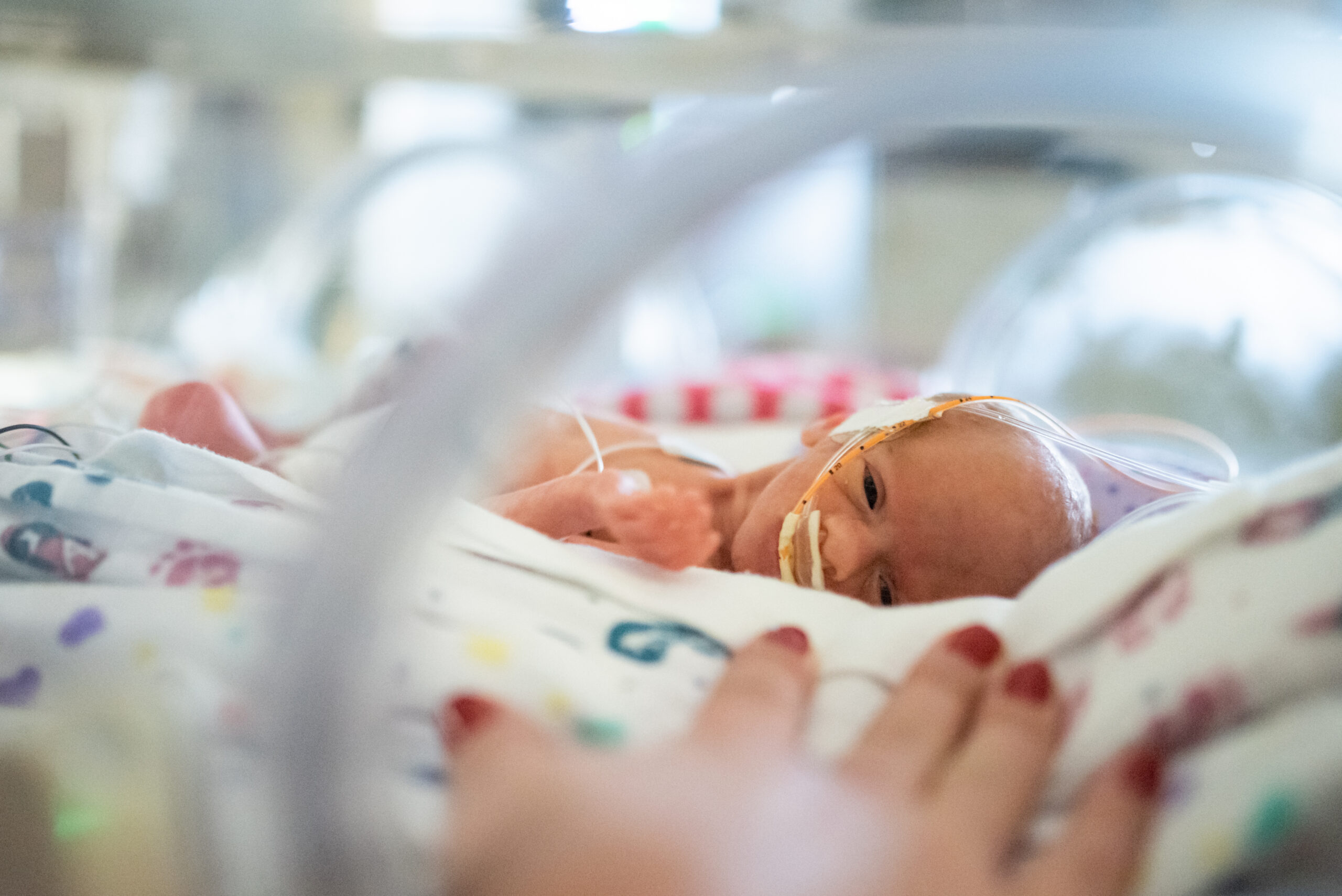
Full-term babies are typically ready for the world, but preterm infants often need help from a neonatal intensive care unit team. Their immature lungs may need breathing support from bubble continuous positive airway pressure or a mechanical ventilator. Many feed through a small tube, called gavage feeding, while therapists help mom and baby learn to breastfeed or bottle-feed. Some need intravenous antibiotics to treat infections. And because preterm babies have trouble staying warm, they rest in isolettes, which are enclosed, insulated cribs that conserve energy and maintain healthy temperatures.
Can Premature Birth Be Prevented?
Early and regular prenatal care is the most important step providers and families can take. “Our obstetricians are truly a baby’s first doctor,” Barnette says.
Preventing preterm birth matters, but there are times when early delivery is the safest and best option for both mother and infant. “Our goal is not a specific date on a calendar,” he explains. “It is a safe delivery resulting in both a healthy mom and a healthy baby.” When a baby does arrive early, trained caregivers and equipment must be immediately available to support the fragile newborn.
Addressing Disparities
Black mothers in the U.S. have the highest preterm birth rates across all income levels, and the disparities have widened over time. Barnette is deeply troubled by these persistent rates, but he is also hopeful.
Organizations and health care providers in our region must actively invest in building trust and relationships with Black mothers. That means sitting beside these women, listening, and making sure their concerns are taken seriously and addressed. It also means acknowledging the biases that affect care. “Trusting relationships are needed to achieve the outcomes every mother and baby deserve,” Barnette says.
The Importance of Follow-Up Care
This year, World Prematurity Day organizers are stressing the importance of investing in follow-up care for premature infants. “Leaving the NICU is a major milestone, but the care does not stop at the hospital doors,” says Barnette.
Preterm babies have less reserve to fight off infections, withstand improper sleep positions or tolerate extreme temperatures, so safe sleep and infection prevention are critical at home. In Saint Francis’ developmental clinic, a team of providers and therapists continues to follow NICU graduates so developmental challenges are identified and addressed early.
Supporting babies also means supporting their families. Many moms face financial insecurity, postpartum depression, lack of childcare and limited transportation. “Babies can’t care for themselves. We must support families caring for them,” Barnette says. “True care includes the entire family.”
A Message for NICU Parents
If your baby is in the NICU, you are an essential member of your baby’s care team. As you prepare to go home, use every tool available to protect your little one. Respiratory syncytial virus immunization is highly effective at preventing serious illness and hospitalization in preterm infants, and Barnette urges families to use it to help keep their babies safe and healthy after leaving the NICU.
Walking Alongside Every Family
Every baby born too soon deserves the best possible start, and every family deserves support that doesn’t end at the NICU doors. That takes early and regular prenatal care, trained caregivers and equipment ready when a baby arrives early, and trusting relationships that ensure every mother, especially Black mothers facing the widest disparities, is heard and her concerns acted on. It also takes follow-up care that reaches the whole family, from safe sleep and infection prevention to developmental support and help with the financial, emotional and practical barriers many families face.
This World Prematurity Day, we invite you to ask what you can do in your own role, whether as a clinician, a hospital leader, a community partner or a neighbor, to strengthen care for babies and families across Missouri.
As Barnette reminds us, “We are honored to walk alongside you on your family’s journey.” Let’s make sure no Missouri family walks it alone.