High Blood Pressure
Developing high blood pressure during pregnancy and postpartum is common and treatable, though symptoms aren’t always obvious.
Overview
What is it?
High blood pressure — also called hypertension — can happen during pregnancy or after giving birth, even in people who have never had it before. It is a condition where the force of blood against the artery walls is consistently too high, and it can affect both your health and your baby’s health. During pregnancy, if your blood pressure is higher than 160 mmHg systolic (the top number) and/or higher than 110 mmHg diastolic (the bottom number), then you should contact your doctor or care team.
Why is it important?
High blood pressure during pregnancy can affect how well blood flows to the placenta, which may impact the baby’s growth and well-being. This can lead to complications such as preeclampsia and can increase the chance of early delivery. High blood pressure can also happen after your baby is born. This is called postpartum hypertension, and it can be just as serious as high blood pressure during pregnancy.
When high blood pressure is found early, your doctor or care team can keep both you and baby safe. However, symptoms aren’t always obvious. It’s important to go to all prenatal and postpartum appointments and tell your provider how you’re feeling, even weeks after delivery — no concern is too small. Family history, previous experiences with high blood pressure and current symptoms all provide vital information to keep you safe and healthy.
If you experience any of the follow symptoms, contact your doctor or care team right away.
- A headache that won’t go away
- Blurry vision
- Seeing spots or changes in eyesight
- Pain in the upper stomach area
- Nausea or vomiting
- Swelling of the face or hands
- Sudden weight gain
If you can’t reach your doctor, go to the emergency room and let them know that you are pregnant or have recently been pregnant. These are signs of a condition called preeclampsia that require immediate treatment.
The goal is always to keep you and your baby safe. High blood pressure in pregnancy and postpartum is common and treatable, especially when caught early. Staying informed, monitoring your health, and keeping in close contact with your care team can make a big difference.
Share with your family and support people that you are still at risk for high blood pressure and preeclampsia after you deliver and let providers know you have been pregnant within the past year.
Seeking support
If you need assistance, education or support in managing high blood pressure, heart conditions or preeclampsia, please consider contacting these organizations.
American Heart Association
High Blood Pressure Helpline: Call 1-800-242-4736
Resources in Spanish: Visit www.heart.org/es
Preeclampsia Foundation
Helpline: Call 321-421-6957 (Monday – Friday, 9 a.m. – 5 p.m.)
Resources


Articles
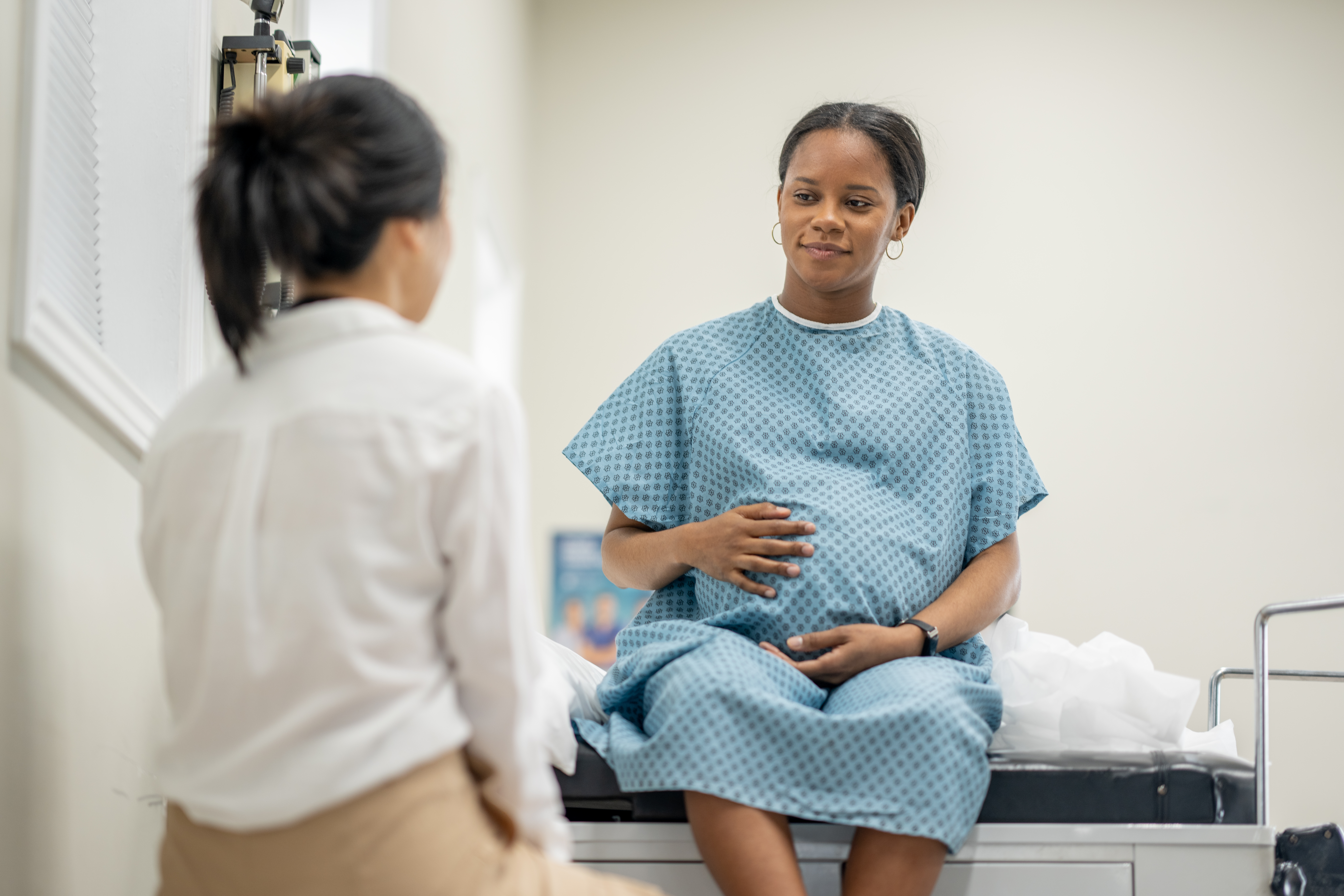
Understanding Cardiovascular Disease in Pregnancy and Postpartum Care
July 9, 2026
Cardiovascular disease remains one of the leading causes of pregnancy-related death in Missouri and across the United States. While many people associate pregnancy complications with labor and delivery,...

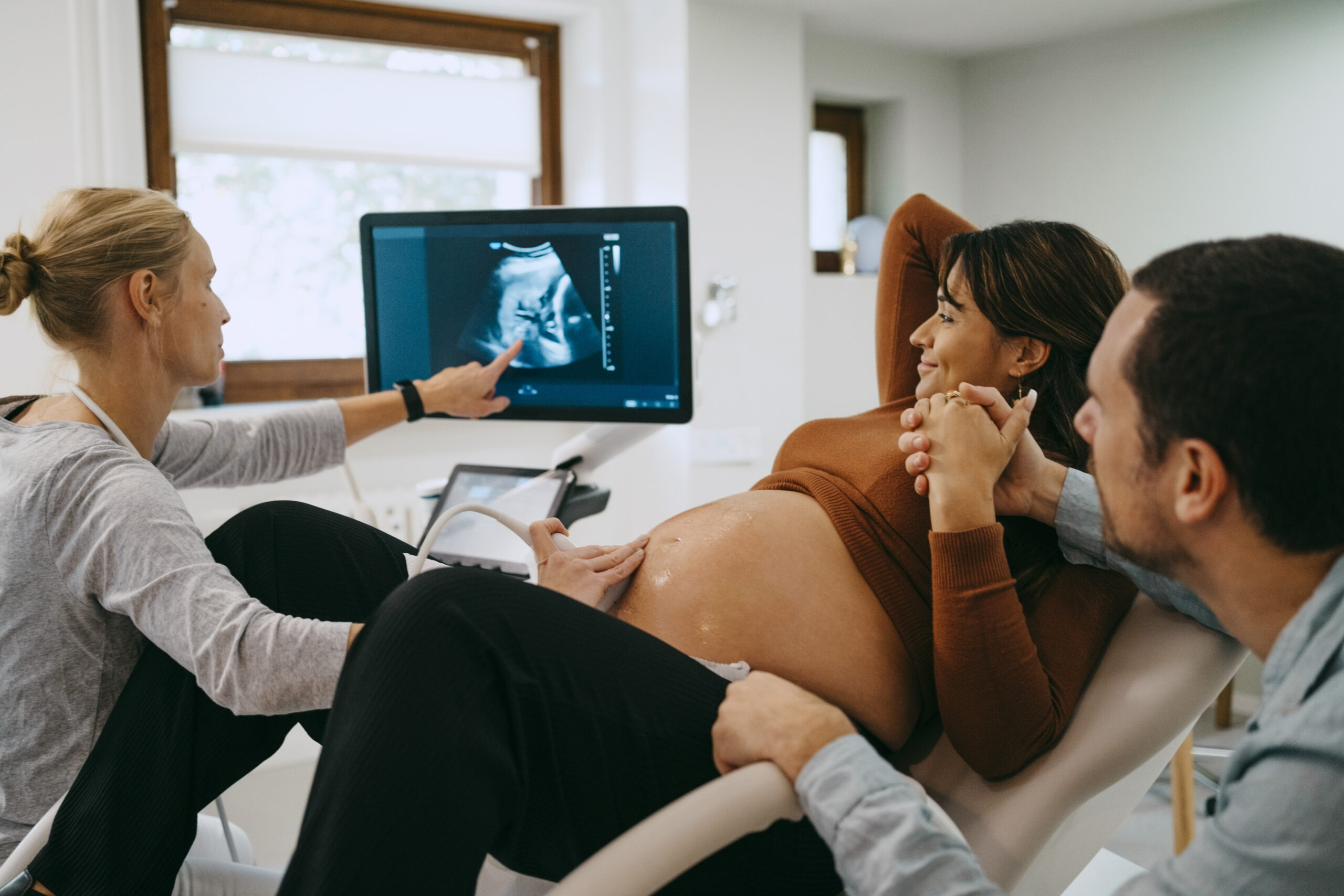
Caring for High-Risk Pregnancies: An Expert Perspective on Chronic Conditions
February 4, 2026
Pregnancy and the postpartum period are times of profound physical and emotional change. For individuals managing chronic health conditions, these changes can feel especially daunting. To better understand...

Empowering Conversations: How the Ask Me 5 Campaign Benefits Missouri Providers and Patients
April 17, 2025
In health care, communication is everything. When patients feel comfortable asking questions — and providers are equipped to answer them clearly and compassionately —the result is better care, stronger...

Heart Health During Pregnancy and Postpartum
February 19, 2025
Pregnancy is an incredible journey that brings many changes to a woman’s body, including significant adjustments to the cardiovascular system. As a board-certified family medicine and obesity medicine...

Understanding Hypertension in Pregnancy: Insights from a Maternal-Fetal Medicine Specialist
July 10, 2024
Karen Florio is a maternal-fetal medicine specialist with a passion for understanding hypertension in pregnancy.

Chronic Hypertension Has Soared Among Pregnant Women
June 21, 2024
The study found the rate of chronic high blood pressure in pregnant women doubled over a 14-year period. At the same time, the use of medications that can treat the condition, also called hypertension,...
