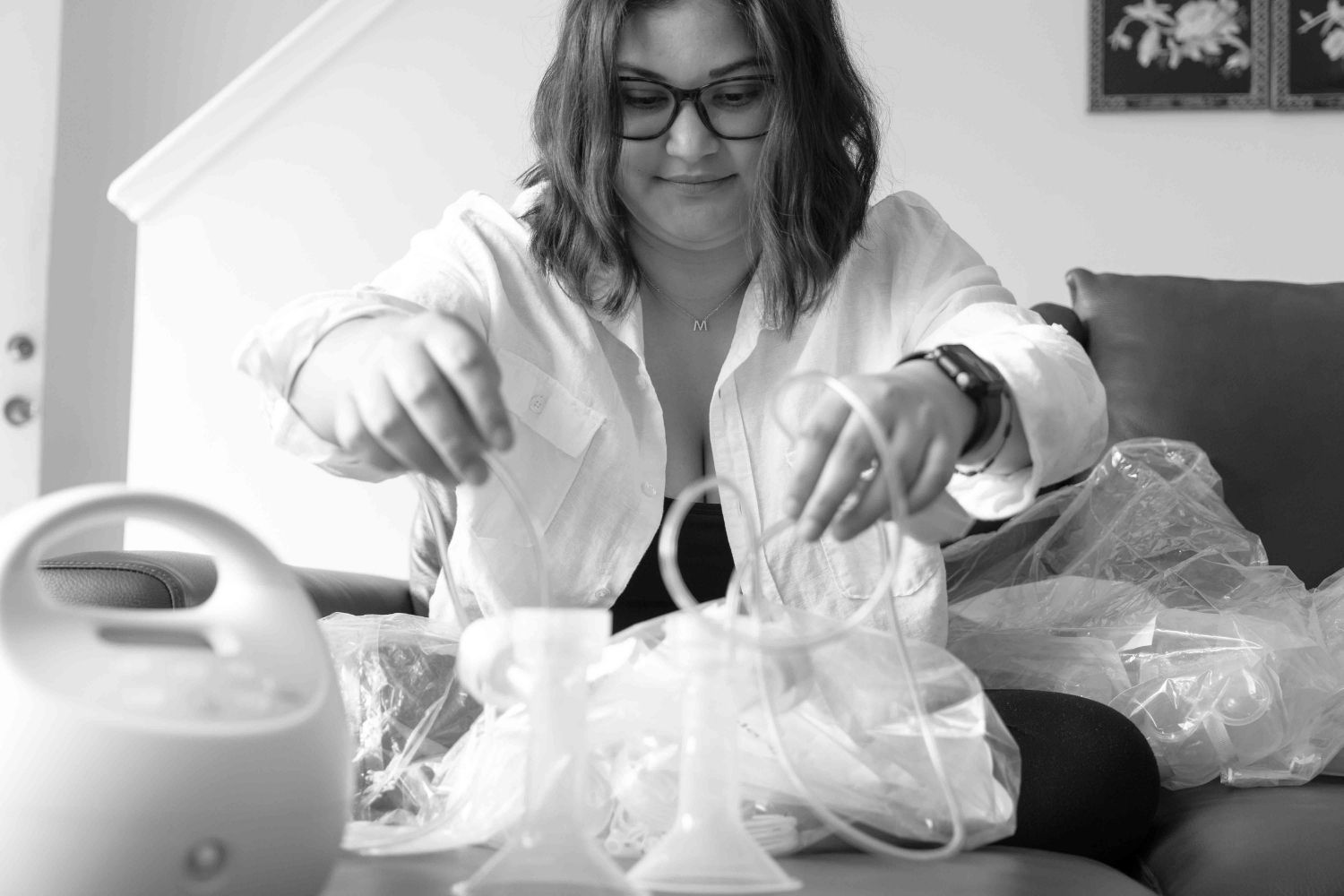
Supporting Babies Through the Power of Human Milk
Published Aug 5, 2026
Every family hopes for a healthy start after welcoming a new baby. But when an infant is born prematurely, experiences medical complications or a mother is unable to provide enough milk, feeding can quickly become one of the family’s biggest concerns.
During World Breastfeeding Week (Aug. 1-7), the Missouri Perinatal Quality Collaborative is recognizing not only the importance of breastfeeding, but also the critical role pasteurized donor human milk plays in supporting vulnerable infants and their families.
The Next Best Option When a Mother’s Own Milk Isn’t Available
For nearly 21 years, The Milk Bank has helped ensure babies have access to safe, pasteurized donor human milk when a mother’s own milk is unavailable or in short supply. As Missouri’s primary community-based nonprofit milk bank, the organization has provided an estimated 17.9 million feedings to fragile infants since its founding in 2005. Last year alone, more than 1,800 milk donors donated over 1 million ounces of milk, providing an estimated 2.3 million feedings to babies born too sick, too small or too soon.
Premature infants are especially vulnerable to serious complications, including necrotizing enterocolitis, a life-threatening intestinal disease. Human milk provides essential nutrients, antibodies, and enzymes that help protect against infection and support healthy development. According to the American Academy of Pediatrics, pasteurized donor human milk is the preferred alternative when a mother’s own milk is unavailable.
Every Ounce Tells a Story
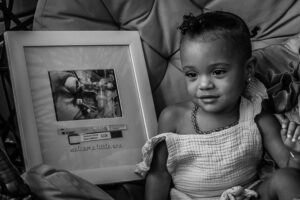 Behind every donation is a family, and behind every bottle of donor milk is a baby whose life may depend on it.
For Juli, donor milk made all the difference after her daughter, Ruby, was born prematurely by cesarean delivery and admitted to the neonatal intensive care unit.
“There was a disconnect between what I was able to produce and what she needed,” Juli shared. During cold and flu season, donor milk provided Ruby with not only nutrition, but also antibodies that gave her family peace of mind while she fought to grow stronger.
Another mother, Morgan, turned to donor milk after undergoing emergency surgery shortly after giving birth. Separated from her newborn daughter, Evelyn, she relied on pasteurized donor human milk to bridge the gap until she was able to resume caring for her baby.
“I’m so incredibly grateful to the milk donors that made sure that my daughter was taken care of and nourished at a time that I could not,” Morgan said.
These stories illustrate that donor milk supports far more than premature infants. Families may need donor milk because of maternal illness, surgery, low milk supply, adoption, foster care, surrogacy, military service or other unexpected life circumstances.
More Than Milk: Supporting Families Through Every Journey
The Milk Bank’s mission extends beyond providing donor milk.
Its Bereavement Program offers compassionate support for families experiencing the unimaginable loss of a baby, including lactation consulting, skills groups and opportunities to donate milk in honor of their child.
For Isabel, whose son Ian passed away at 31 weeks, milk donation became a way to find meaning during an incredibly difficult time.
“Expressing and donating my milk didn’t erase the pain, but it gave it purpose. It made me feel like Ian’s short existence could ripple out into the world, helping other little lives.”
The Bereavement Program also includes Nurturing You: Wellness for Bereaved Parents, a free, eight-week virtual program that helps parents connect with others who have experienced loss while learning stress management and mind-body wellness techniques.
The Milk Bank also believes a family’s ability to pay should never affect the level of care they receive. Through its Medical Relief Fund, eligible families can receive assistance accessing medically essential pasteurized donor human milk.
One child supported through the program was Jenson, who struggled with a severe feeding aversion and chronic metabolic acidosis, leaving breast milk as his only source of nutrition.
“It was overwhelming, and we were running out of options to give Jenson the nutrition he needed to grow and thrive,” his mother, Jazmin, shared. “The Milk Bank and your donations were literally life saving for us.”
How Health Care Teams Can Make a Difference
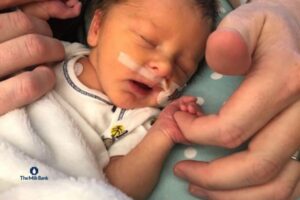 One of the biggest challenges The Milk Bank sees is awareness.
Many parents don’t learn donor milk is an option until their baby is unexpectedly admitted to the NICU or experiences feeding challenges. Those moments are already filled with uncertainty, making education before birth especially important.
Rachel experienced that uncertainty firsthand after her daughter, Eloise, was rushed to the NICU following a difficult delivery.
“I didn’t know about donor milk. I didn’t know it was a thing,” Rachel said. “When she was swept away for the NICU, I really thought, ‘Oh my gosh. What’s going to happen? How is she going to eat?'”
Hospitals, physicians, nurses, lactation consultants and other health care professionals all play an important role in helping families understand their feeding options before a crisis occurs.
The Milk Bank partners with hospitals across Missouri by providing safe donor milk, implementation support for donor milk programs, and educational materials providers can share with patients and communities. Last year alone, the organization served 111 hospitals while maintaining a 100% fill rate across all patient populations.
Resources for Families and Providers
The Milk Bank offers a variety of services that support infant health beyond donor milk, including:
- Milk Donation Program for eligible parents with extra breast milk
- 21 Milk Depots across Missouri where approved donors can safely drop off frozen milk
- Five Milk Express locations where families can pick up pasteurized donor human milk
- Medical Relief Fund to help remove financial barriers to medically necessary donor milk
- Bereavement Program and Nurturing You: Wellness for Bereaved Parents, providing compassionate support after infant loss
- Educational materials and implementation support for hospitals and health care professionals working to improve infant feeding outcomes
Giving Every Baby the Healthiest Possible Start
World Breastfeeding Week is a time to celebrate breastfeeding, but it’s also an opportunity to recognize the generous milk donors, dedicated health care professionals and community partners working together to ensure every baby has access to the nutrition they need.
Whether through breastfeeding, pumping, milk donation or educating families about donor milk, every effort contributes to healthier beginnings for Missouri’s infants.
This World Breastfeeding Week, MO PQC encourages families and health care professionals to learn more about pasteurized donor human milk and the resources available through The Milk Bank — because every baby deserves the healthiest possible start.