Postpartum
It’s not uncommon for mothers to experience physical or mental distress for a full year after childbirth. Learn the telltale signs and ask for help.
Overview
What is it?
Postpartum is a time of major body and life changes starting immediately after birth. Most people think of postpartum as the six to 12 weeks after delivery, but postpartum symptoms and changes can actually last longer, even up to one year later or more.
Why is it important?
Pregnancy and giving birth can be hard, physically and emotionally. It often requires many appointments and health care support from different providers. After delivery, you might not see your doctor or care team as often and those around you might shift their focus to your baby. But during the year after delivery, support and care for you is just as important. This includes your physical recovery from birth, mental health and wellness, rest, managing health conditions, and transitioning to primary care. Care and support can come in many different shapes and sizes. You might see your OB, use a postpartum doula, ask for support from your community or support network, request home visiting services, visit a counselor or therapist, or go to your primary care physician. Before you deliver, consider what you would like care and support to look like and make a postpartum care plan. People in your life can build on your strengths and help you in many ways.
Some serious pregnancy-related health problems happen during the postpartum period, even up to a year after you have your baby. If something doesn’t feel right, reach out to your doctor or care team. You shouldn’t ignore your symptoms or feel ashamed when discussing how your recovery is going. Some maternal warning signs are physical — such as fever, high blood pressure, persistent or worsening headaches, vision changes, stomach pain and more. Other warning signs may be emotional or psychological and not always visible, such as thoughts of self-harm or harming others, seeing or hearing things that are not there, intense feelings of worry, sadness or anxiety. The best thing you can do for your health after you give birth is listen to your body and always inform emergency care providers you are postpartum when seeking care through one year after delivery.
Seeking support
If you are not feeling like yourself, please know that you are not alone and that help is available. Sharing this information with your health care team, or with trusted family and friends, can feel difficult, but it is a vital step toward healing. If you’re unsure of how to discuss your feelings with them, or are in need of immediate assistance and guidance, the resources listed below can offer you the compassionate support you need.
National Crisis Text Line:
Text HOME (or HOLA for Spanish) to 741741 from anywhere in the USA, anytime, about any type of crisis
988 Suicide and Crisis Lifeline:
Call or text 988 for help in English and Spanish (for Spanish text AYUDA to 988)
National Maternal Mental Health Hotline:
Call or text 1-833-852-6262 for help in English and Spanish
Postpartum Support International Helpline:
Call 1-800-944-4773 (4PPD) #1 En Español or #2 English
Text “Help” to 800-944-4773 (English)
Text en Español 971-203-7773
Resources

Articles
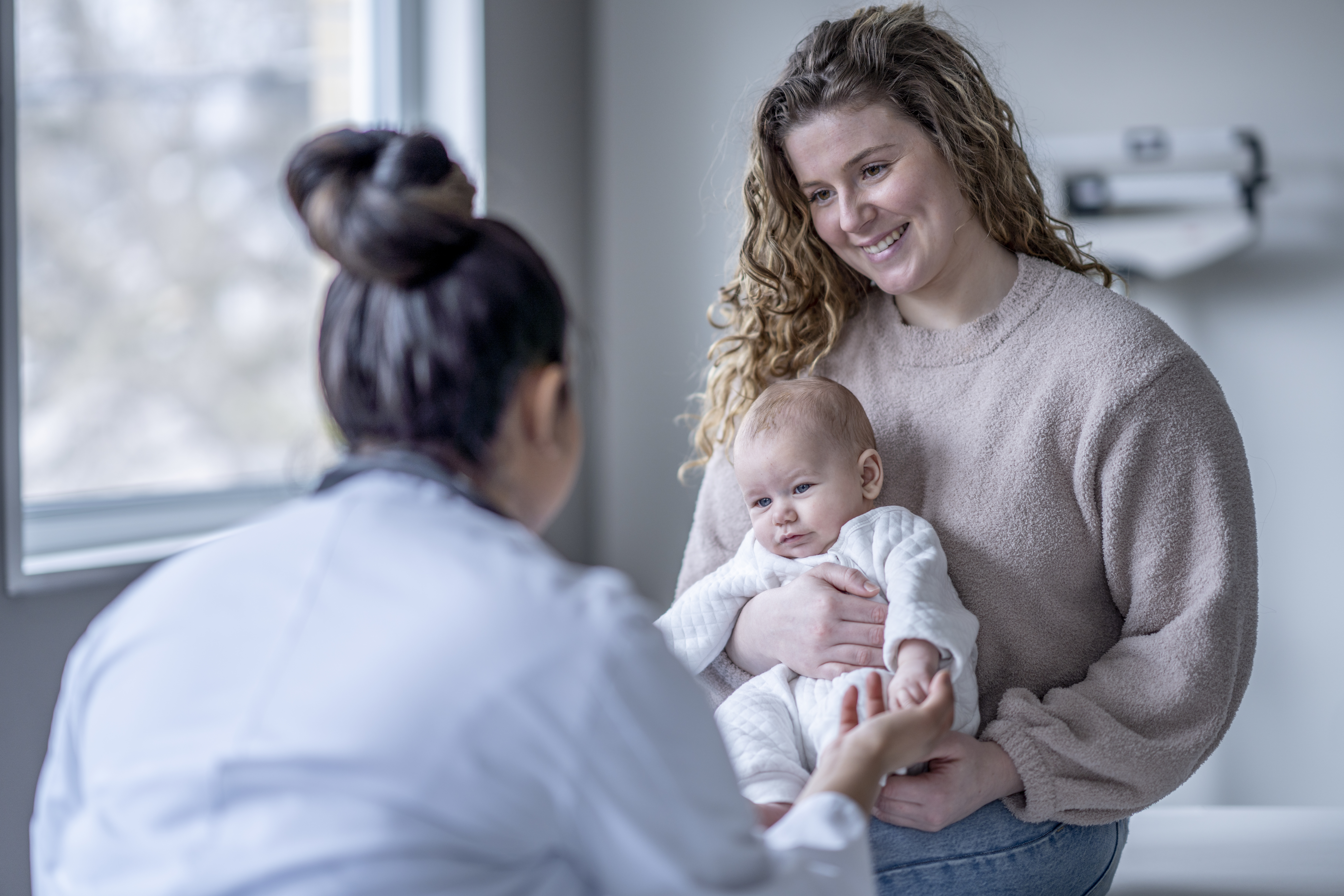
Rethinking Postpartum Care: Supporting Health in the Fourth Trimester and Beyond
January 22, 2026
For decades, postpartum care in the United States was defined by a single six-week follow-up visit after delivery. Today, that model is evolving as clinicians and patients alike recognize that recovery...


Optimizing Care for Moms in the Postpartum Period
December 11, 2025
Improving care for moms and babies is especially urgent in Missouri, currently ranked 43rd in the United States in women’s health and reproductive care outcomes and fourth highest for maternal care...

A Joint Statement on the Use of Selective Serotonin Reuptake Inhibitor (SSRI) Medications for Mental Health During Pregnancy
August 8, 2025
In Missouri, we are united in our work to prevent the leading cause of maternal mortality, perinatal mental health disorders (PMHDs).

Empowering Conversations: How the Ask Me 5 Campaign Benefits Missouri Providers and Patients
April 17, 2025
In health care, communication is everything. When patients feel comfortable asking questions — and providers are equipped to answer them clearly and compassionately —the result is better care, stronger...
