Navigating the Unexpected: Supporting Peripartum Parents Through Grief, Trauma and Medical Complexity
Event Details
Thursday, April 23
Noon – 1:30 p.m. (1-hour presentation + optional 30-minute discussion/workshop)
Virtual
This training provides an overview of grief, trauma and medical complexity across the perinatal and neonatal continuum, with a focus on how these experiences affect patients, families and health care teams. Participants will learn to recognize trauma and grief responses related to pregnancy complications, birth experiences, NICU care and loss, while applying trauma-informed and equity-centered care principles. The session emphasizes practical strategies for interdisciplinary collaboration, compassionate communication, screening and referral to support better mental health and family outcomes.
CME/CNEs available.
Register
Agenda & Objectives
Agenda
- grief and complexity in the perinatal period
- birth trauma and other diagnostic considerations
- medical complexity in postpartum and beyond
- case study and discussion
Objectives
- Identify common grief and trauma responses related to pregnancy complications, birth experiences, loss and NICU care.
- Differentiate trauma‑related symptoms from perinatal mood and anxiety disorders in clinical settings.
- Apply trauma‑informed and equity‑centered principles to communication and care delivery.
- Recognize the impact of medical complexity on families across the perinatal and neonatal continuum.
- Utilize interdisciplinary strategies, screening tools, and referrals to support patients, families, and care teams.
Speakers
 Katherine Aravamudan, M.A., LPC, NCC, PMH-C, is a licensed professional counselor in Missouri and Illinois with over ten years of experience providing therapy with specialized experience treating caregivers of medically complex children. She is a Postpartum Support International-certified perinatal mental health provider, maintaining annual training in the diagnosis and treatment of perinatal mood and anxiety disorders. Katherine has received advanced, post-graduate training in Dialectical Behavioral Therapy (DBT), Interpersonal Therapy (IPT), and Mindfulness-Based Stress Reduction. Joining Washington University’s Perinatal Behavioral Health Service in 2019, Katherine developed the caregiver mental health program in St. Louis Children’s neurology and pediatric intensive care units, serving as its lead clinician for five years. She has presented nationally and statewide on the topics of perinatal mental health and caregiver wellness. She maintains a private practice and serves as the Caregiver Wellness Outreach Chair for the Society for Pediatric Psychology. Katherine coordinates ongoing projects with PBHS and is a point of contact for continuing education and program development.
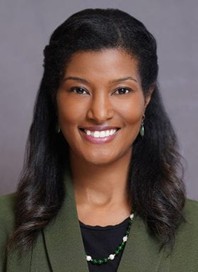 Monique Gill, LPC, NCC, CCTP, PMHC, is a licensed counselor in the state of Missouri and Illinois and certified as a national counselor, perinatal mental health provider, and clinical trauma professional. She has been with the Perinatal Behavioral Health Service since 2017 and spent over six years leading the NICU program, delivering tailored interventions to meet the unique needs of families before, during and after a NICU admission. She is a member of Postpartum Support International and facilitates one of their monthly NICU support groups. She has co-authored research published in the Journal of Pediatrics and serves as a subject matter expert regarding NICU care and maternal mental health, inclusive of Black maternal mental health. She is an advisory member of the Maternal Health Access Project, Missouri Perinatal Quality Collaborative, Missouri Maternal-Child Learning and Action Network Core Team Member, an Ask Me 5 Ambassador and a member of the American Counseling Association. She’s the associate director of PBHS housed in the department of Psychiatry at WashU Medicine where she assists with clinical program operations, service design and delivery, staff oversight, community integration and grant projects.
 Mary Kimmel, M.D., Ph.D., is an associate professor of psychiatry in the Department of Psychiatry at Washington University School of Medicine in St. Louis. She previously was at the University of North Carolina at Chapel Hill, where she was medical director for the Perinatal Psychiatry Inpatient Unit and helped start and served as medical director of NC MATTERS, a statewide perinatal mental health consultation line. She is an affiliated researcher with Uppsala University in Sweden where she earned her Ph.D. in maternal and child health. Her research interests include better characterization of stress in pregnancy; studying the interaction between obstetrical complications and perinatal stress, depression and anxiety; and utilizing the microbiota-gut-brain axis to improve diagnosis and treatment of perinatal mood and anxiety disorders. She has published in Biological Psychiatry, Translational Psychiatry, Archives of Women’s Mental Health, Nature Communications, Child Development, among others.

 573-893-3700