Project STORK: Building Stronger Pathways to Recovery for Missouri Families
Published Apr 9, 2026
 For pregnant and postpartum individuals affected by substance use disorder, the path to recovery can be filled with barriers — from stigma and fear to limited access to timely, coordinated support. Too often, the gap between clinical care and ongoing recovery support leaves families without the connections they need to heal and thrive.
The Missouri Perinatal Quality Collaborative is working to address these gaps through Project STORK, an emerging initiative focused on strengthening pathways from identification in clinical settings to meaningful, recovery-centered support in the community for families who need it most.
Leading this work is Lindsey VonDras, MSW, MO PQC’s care coordination manager. A macro-level social worker focused on systems change, Lindsey brings years of experience in Missouri’s opioid response and a deep commitment to improving care for pregnant and postpartum individuals affected by SUD. Her work centers on helping families stay connected, supported and on a path toward long-term recovery.
What Is Project STORK?
Project STORK — which stands for Supporting Treatment access and Ongoing Recovery for Key maternal populations — is a MO PQC initiative aimed at building a sustainable model to connect pregnant and postpartum individuals affected by SUD to peer support and the full continuum of treatment and recovery services, based on individual needs and as early as possible in their care journey.
The need is urgent. Missouri continues to see rising rates of maternal morbidity and mortality related to mental health conditions and substance use, with overdose among the leading causes of pregnancy-associated deaths. While effective peer support and treatment resources exist, many hospitals and clinics still face challenges when trying to connect patients to the right services in their communities in a timely, coordinated way.
Project STORK aims to help close that gap.
By creating stronger bridges between hospitals, prenatal care providers, behavioral health treatment organizations and recovery support services, the initiative is working to build a more seamless, compassionate system of care for families impacted by SUD. The goal is simple but powerful: ensure birthing people are connected to meaningful, recovery-centered support that promotes stability, connection and long-term well-being.
A Collaborative Effort Across Missouri
One of the strengths of Project STORK is the broad coalition helping shape it.
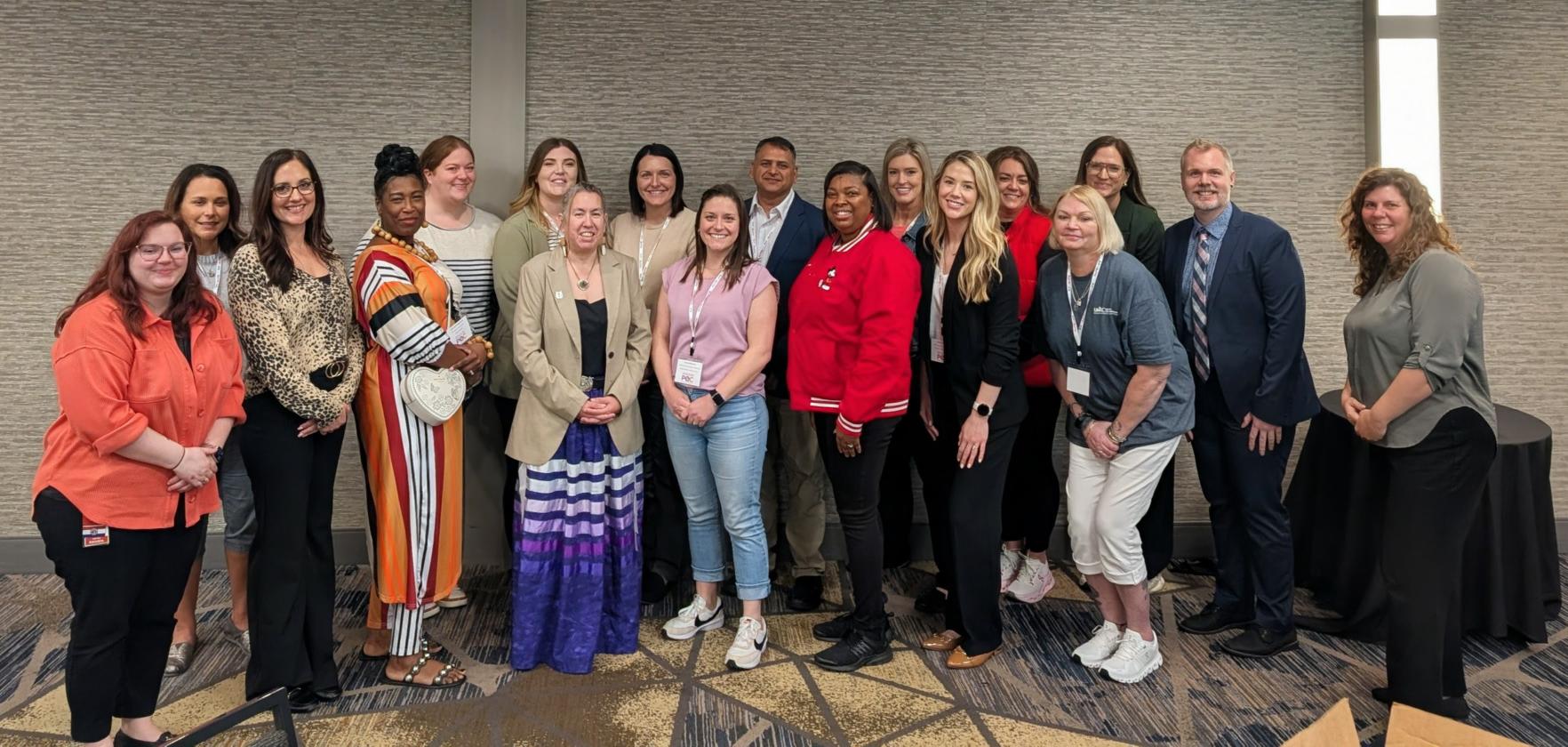
A steering committee of approximately 20 leaders and practitioners is guiding the initiative, bringing together voices from health systems, behavioral health treatment organizations, community-based recovery programs, state agencies and academic institutions. This group includes peers and individuals with lived experience, doulas, community behavioral health workers, clinical professionals, drug and alcohol counselors and other experts who provide valuable insight into both model design and implementation.
MO PQC also has partnered with several subject matter expert organizations to support development of the model and help pilot sites strengthen referral pathways to peer support and SUD services. These partners include the Missouri Credentialing Board, which is helping assess the peer workforce landscape and support maternal peer development, as well as three Certified Community Behavioral Health Clinics: Centerstone, Compass Health and Chestnut Health Systems. These organizations bring deep expertise in behavioral health, recovery support and peer integration.
In addition, five early-adopter pilot sites are participating in the readiness, planning and design phases of Project STORK. These sites represent a range of care settings that commonly serve pregnant and postpartum individuals affected by substance use, including three hospitals with obstetric units, one outpatient prenatal care clinic and one CCBHC. Their real-world experiences will help shape a model that is practical, scalable and responsive to different local contexts.
Why Is Connecting Patients to Peer Support So Challenging?
Despite the clear value of peer support, building reliable connections between pregnant and postpartum patients and certified peer specialists is not straightforward.
According to Lindsey, one of the biggest barriers is that Missouri does not yet have a statewide model for linking perinatal patients to peer support. While Missouri has more than 2,000 certified peer specialists, they are spread across a wide range of settings — including SUD treatment programs, CCBHCs, recovery support providers and community-based organizations. Because peers are embedded within their own agencies, hospitals and clinics often don’t have a clear or consistent “front door” for making referrals.
There also is significant variation in how peer roles are defined and delivered. For Project STORK, MO PQC wants to ensure that pregnant and postpartum individuals are connected to peers who have formal training, standardized ethics, supervision and continuing education. At minimum, the project requires peer specialists to hold a Certified Peer Specialist credential, with a long-term goal of strengthening a maternal-specific peer workforce equipped to support perinatal patients with SUD.
Other structural challenges remain as well. In many settings, peer services are not reimbursable and are often funded through grants. That can limit when and how peers are able to engage with a patient — especially before formal program enrollment. Some hospitals have integrated peers internally, but that may not be realistic for smaller or rural sites. Existing programs may offer strong support in some areas, but coverage is not always statewide or consistently focused on perinatal populations.
How Project STORK Is Helping
Project STORK is designed to address these barriers by developing a clearer, more consistent process for connecting patients to peer support, treatment and other recovery support services. That includes mapping existing community-based treatment and recovery organizations with embedded peer support, identifying feasible referral pathways and creating practical guidance so hospitals and clinics understand where these services are located and how to make effective connections.
Just as importantly, the project is helping health care providers move from identification to action.
Across Missouri, many health care providers have already made meaningful progress in identifying pregnant and postpartum individuals affected by substance use. More health care systems are using universal verbal screening, adopting trauma-informed approaches and increasingly recognizing SUD as a chronic health condition rather than a moral failing. These are critical shifts that help create safer, more supportive environments for patients.
But after a positive screen, the next step is often less clear.
“Many clinical teams continue to face challenges in knowing where to refer patients, how to initiate warm handoffs, and how to navigate the wide range of community-based treatment and recovery resources available,” Lindsey explained. Project STORK aims to make those pathways more reliable, more practical and more compassionate.
Why Peer Support Matters for Moms
For pregnant and postpartum individuals with SUD, peer support can offer something traditional clinical care alone often cannot: connection with someone who truly understands.
A peer specialist brings lived experience, empathy and credibility that can help reduce shame, fear and stigma — all of which can keep moms from seeking care or staying engaged in recovery. They can offer practical guidance, encouragement, and hope while helping someone navigate the realities of recovery and parenting at the same time.
That shared experience can make a meaningful difference.
Research and practice also show that peer support can improve engagement in treatment, reduce relapse risk, promote family stability and support long‑term recovery.
For many moms, working with a peer recovery specialist helps them feel less alone, more understood, and more willing to take the next step toward healing and stability for themselves and their families.
What’s Next for Project STORK?
As the readiness phase wraps up at the end of April, Project STORK will move into the planning and design phase, where insights from the steering committee, subject matter experts and pilot sites will be synthesized into a set of initial findings and early guidance to inform program implementation. Throughout the summer, MO PQC will continue supporting pilot sites through Community of Practice calls, educational opportunities, technical assistance and resources tailored to each site’s local context. As early-adopter sites begin implementing components of the model later this year, their experiences will generate additional learning about what works well across different care settings and where further refinement is needed.
These early learnings, combined with implementation insights from pilot sites, will ultimately inform the development of a more comprehensive recommendations report. This future guidance will serve as a practical resource for hospitals and clinics across Missouri — from large urban systems to small rural facilities — seeking to strengthen connections to peer support and the full continuum of substance use disorder treatment and long‑term recovery services. The long‑term goal is to support all care settings in building compassionate, coordinated pathways that ensure more Missouri families have access to the support they deserve.